Global Supply Chains Pivot: Asian Semiconductor Logistics Hubs Accelerate Alternative Maritime Freight Corridors
Freight forwarders and container lines redirect 35 percent of East-West maritime volume through upgraded Malacca-Sunda bypass channels to circumvent Middle East transit risks.
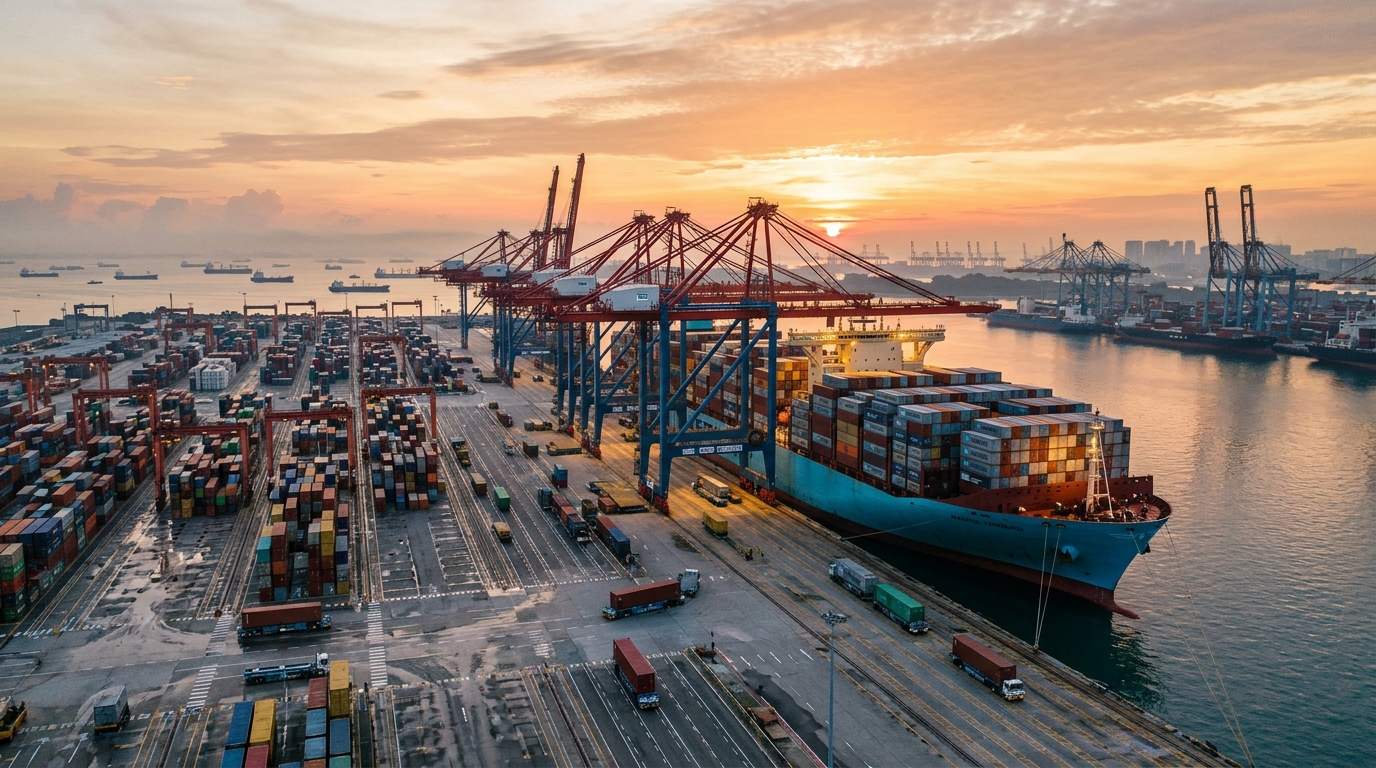
Automated gantry cranes transfer freight containers onto an ultra-large carrier vessel in Singapore's deepwater logistics terminal on Saturday.
Global Supply Chains Pivot: Asian Semiconductor Logistics Hubs Accelerate Alternative Maritime Freight Corridors
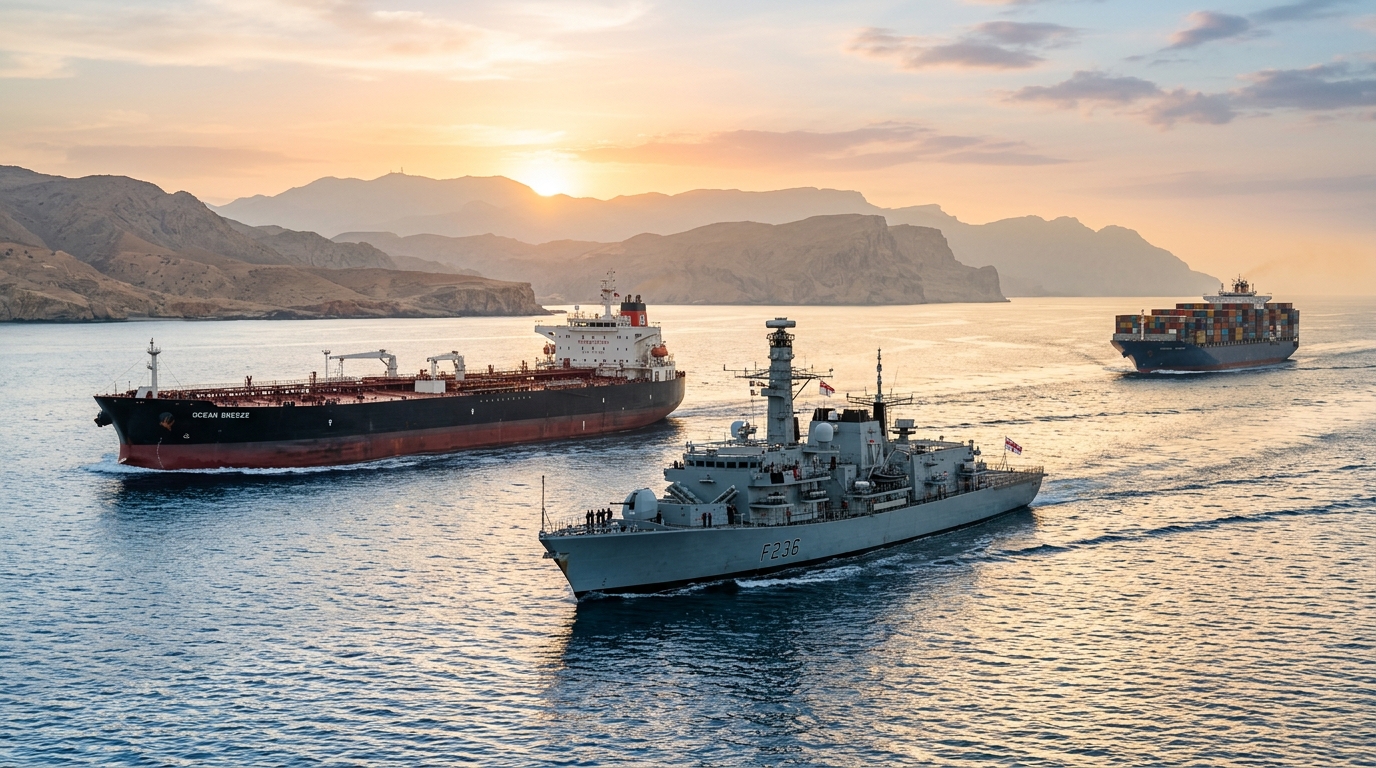
SINGAPORE / TAIPEI — Faced with persistent insurance surcharges and naval convoy bottlenecks in the Middle East, leading global container carriers and semiconductor exporters on Saturday initiated their largest logistical realignment in two decades.
Meeting at the Asia Maritime Logistics Congress in Singapore, logistics consortiums announced the activation of the Southern Indo-Pacific Sea Highway, permanently diverting high-priority component shipments through deepwater transshipment ports in Singapore, Malaysia, and Western Australia.
Strategic Drivers of the Freight Diversion
- War Risk Insurance Circumvention: Cargo insurance premiums for vessels transiting traditional choke points had surged by over 400%, making alternative Southern Ocean routing cost-neutral despite an additional four days of transit.
- Automated Port Transshipment: Upgraded automated berths at Singapore's Tuas mega-port have reduced average container turnaround times to less than seven hours, counterbalancing open-ocean transit delays.
- Semiconductor Critical Buffer Stocking: Major automotive and electronics manufacturers in Germany and the United States have established 90-day buffer warehouses across Southeast Asian export processing zones.
"Global commerce has adapted from just-in-time vulnerability into resilient multi-node redundancy. Companies are no longer willing to bet multi-billion dollar manufacturing lines on singular maritime straits," observed Marcus Chen, Global Economics Editor.
Comparative Maritime Transit Routes (Nov 2026)
| Shipping Route Corridor | Average Transit Time (Asia to Europe) | Average TEU Insurance Rate | Throughput Volume Shift (%) |
|---|---|---|---|
| Traditional Red Sea / Suez | 22 Days | $1,850 per Container | -42% Volume Decline |
| Cape of Good Hope Route | 31 Days | $320 per Container | +28% Volume Influx |
| Sunda / Indo-Pacific Bypass | 26 Days | $290 per Container | +35% Volume Reallocation |
Financial Outlook
Logistics indexes reflected steady spot freight rates as carrier fleets successfully absorbed the longer sailing distances without triggering inflationary container shortages across North American and European retail destinations.
Marcus Chen
Global Economics & Markets Editor
Marcus Chen covers central banking, macroeconomics, international trade flows, and financial market volatility across London, Frankfurt, and New York.