Mediators Continue US-Iran Negotiations as Washington Warns on Strait of Hormuz Navigation
Diplomatic talks advance in regional capitals while U.S. officials urge international maritime protection for critical oil and gas corridors.
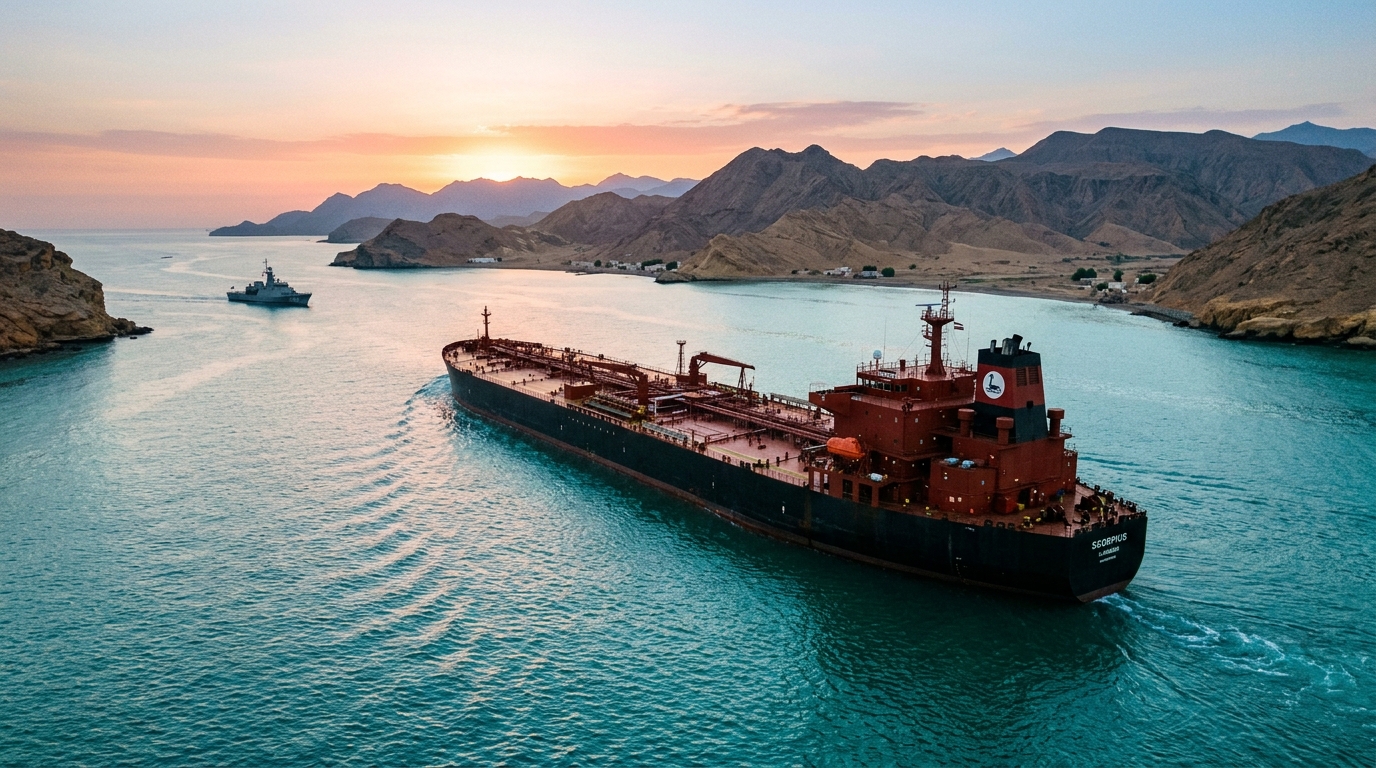
Commercial oil tankers transit the Strait of Hormuz where international maritime patrols maintain round-the-clock surveillance.
Mediators Continue US-Iran Negotiations as Washington Warns on Strait of Hormuz Navigation
DOHA / WASHINGTON — High-level diplomatic mediators in Doha and Muscat intensified indirect consultations between Washington and Tehran on Sunday, striving to preserve fragile de-escalation frameworks despite escalating official warnings concerning maritime security in the Persian Gulf.
Diplomatic sources familiar with the negotiations confirmed that Swiss and Qatari emissaries carried revised proposals addressing maritime communication protocols, sanctions monitoring, and mutual security guarantees. While Iranian foreign ministry representatives stated they favor measured diplomacy over confrontation, they reiterated that their armed forces stand fully prepared to respond decisively to any unilateral military maneuvers.
"Constructive dialogue remains possible so long as all participating powers acknowledge reciprocal sovereignty and cease extraterritorial enforcement in international waters," a senior regional mediator remarked following a closed-door consultation.
Key Strategic Developments
- Intensive Mediation Corridor: Qatari and Omani diplomats are facilitating parallel working groups targeting commercial navigation safety and diplomatic detente.
- Strait of Hormuz Security Alert: U.S. Secretary of State Marco Rubio highlighted mounting concerns over commercial vessel tracking, accusing Iranian fast-attack units of harassing international energy carriers.
- Burden-Sharing Appeal: Washington issued a direct appeal to European and Indo-Pacific partners to contribute naval assets to multilateral maritime escort operations.
Maritime Energy Flow & Security Indicators
The Strait of Hormuz represents the world's most vital energy chokepoint, handling over one-fifth of daily global petroleum consumption alongside massive liquefied natural gas (LNG) dispatches bound for European and Asian industrial economies.
| Transit Corridor | Daily Volume (Barrels) | Primary Destination | Escort / Patrol Readiness |
|---|---|---|---|
| Strait of Hormuz | 20.8 Million bpd | East Asia & Southern Europe | High Alert (US Fifth Fleet / Regional Navies) |
| Bab el-Mandeb | 7.2 Million bpd | Mediterranean & North Atlantic | Task Force 153 Active Escort |
| Cape of Good Hope Route | 8.5 Million bpd (Diverted) | Global Refineries | Unescorted Open Ocean Transit |
Diplomatic Prospects Ahead
Despite bellicose official statements, commercial market analysts observed that crude futures remained relatively stable, signaling that global energy traders retain confidence in the backchannel negotiations currently underway.
Senior diplomats emphasized that the coming forty-eight hours will test whether technical protocols can be signed before planned naval exercises scheduled by regional coast guards take place later this week.
Tariq Al-Mansoor
Middle East Bureau Chief
Tariq Al-Mansoor has reported from Cairo, Beirut, Jerusalem, and Doha for over fifteen years, focusing on diplomatic mediation and humanitarian affairs.